 EN
 IT Italiano
 ES Español
 FR Français
 DE Deutsch
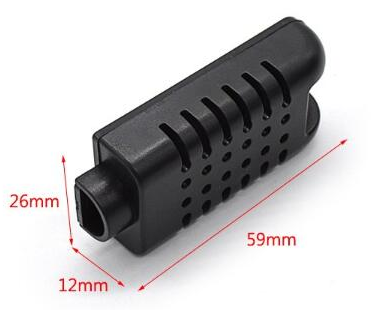
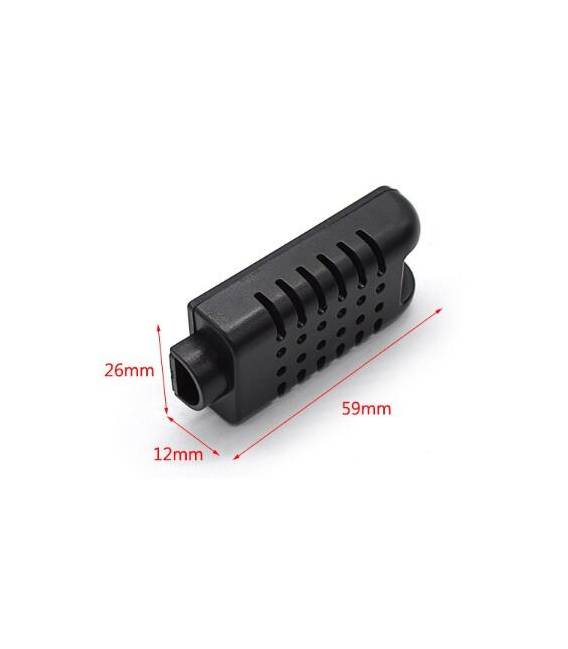
Description
Tutorial: How to Use the ABS Plastic Case for Humidity Sensor
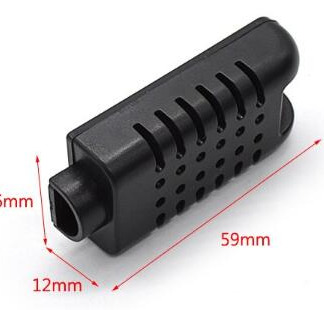
The ABS plastic case protects the humidity sensor from atmospheric exposure and weather conditions. Ideal for outdoor or industrial projects.
What you need
- ABS Plastic Case Container for Humidity Sensor
- Humidity Sensor
- Tools to open the case (optional)
Steps
- 1. Check that the humidity sensor is functioning.
- 2. Open the case using a knife or scissors.
- 3. Check the physical compatibility between the sensor and the case.
- 4. Install the sensor inside the case.
- 5. Close the case gently.
- 6. Verify the position of the sensor inside the case.
- 7. Connect the sensor to the Arduino board or reading device.
- 8. Check the stability and accessibility of the sensor inside the case.
Mini project
Mount the humidity sensor enclosed in its housing inside a small protective helmet for a humid environment humidity monitoring project.
Common mistakes
- Do not force open the housing to avoid damaging the sensor.
- Do not close the housing too tightly to avoid damaging the sensor.
- Check the physical compatibility between the sensor and housing before installation.
- Do not use metallic tools to open the housing to avoid electrical interference.
Recommended accessories
- Tools to open the housing
- Humidity sensor
- Arduino board
- Connection cable
Frequently asked questions
Does the housing protect the sensor from heat?
ABS plastic is heat resistant, but check the sensor datasheet for further details.
Can I use the housing with different types of sensors?
Check the sensor datasheet for housing compatibility.
How long can the housing last?
The duration depends on the environmental conditions. Check the specifications on the datasheet.
Can I use the housing for other sensors as well?
Check the physical compatibility between the sensor and the housing before use.
Reviews
There are no reviews yet.