 EN
 IT Italiano
 ES Español
 FR Français
 DE Deutsch
Description
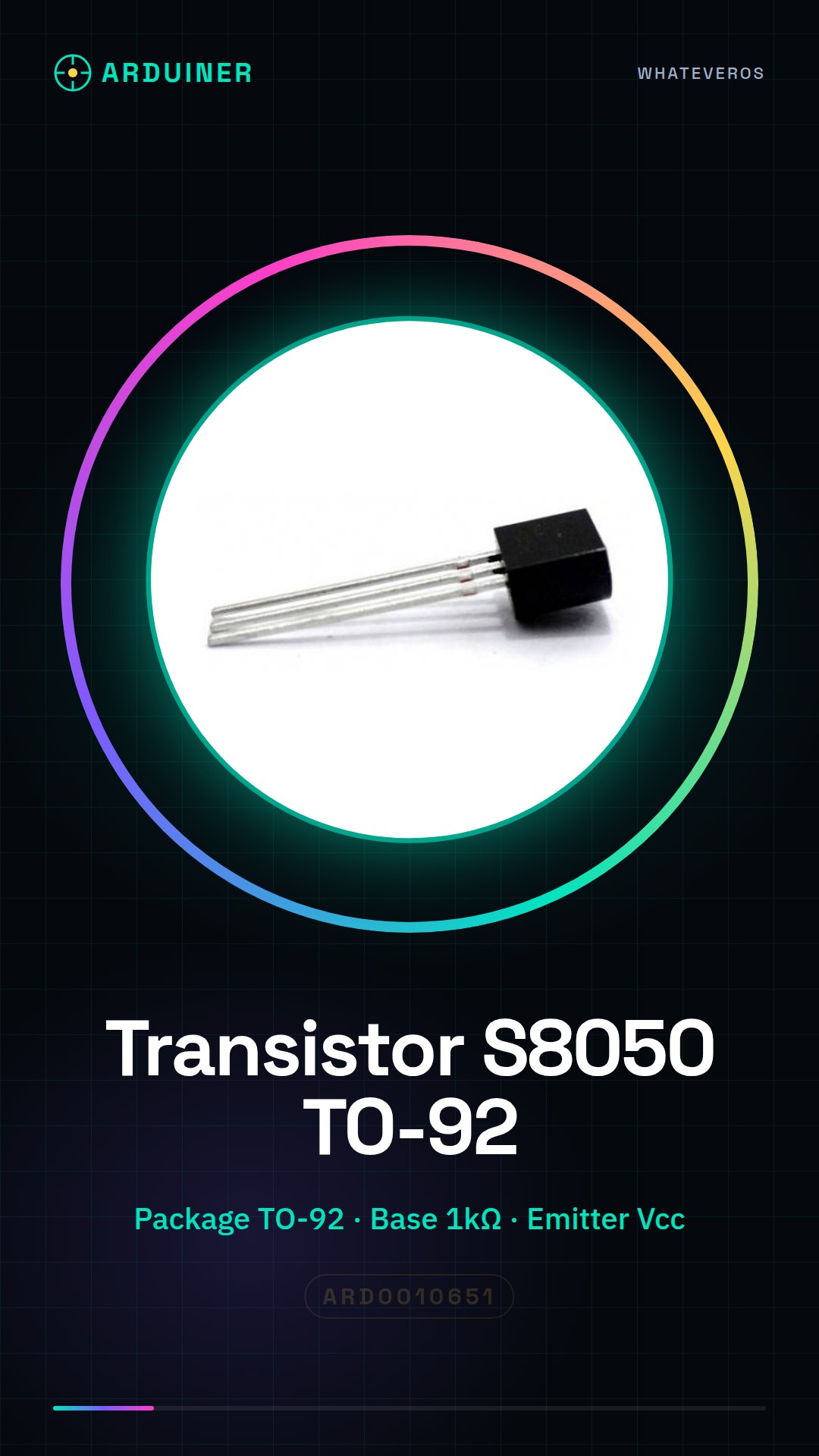
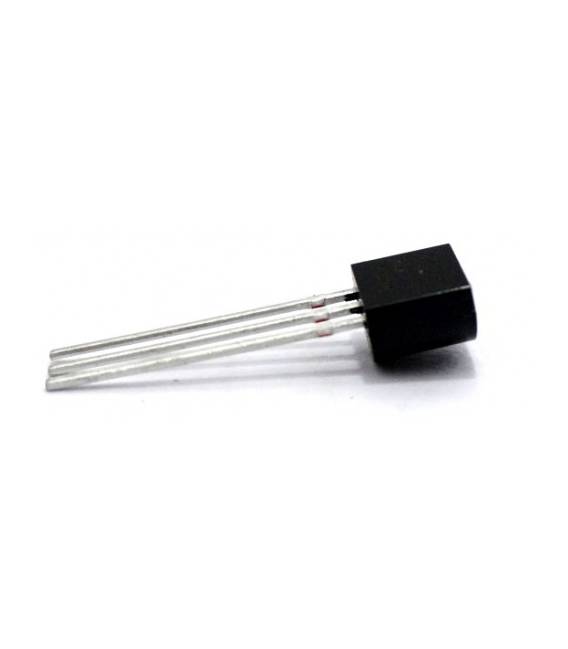
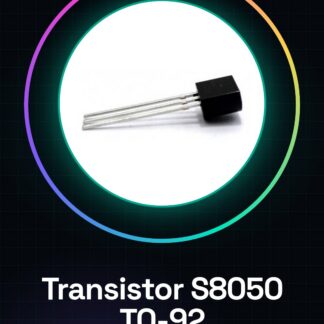
S8050 Transistor TO-92 IC Integrated Circuits
Tutorial: How to Use S8050
The S8050 transistor is a fundamental component for amplifying electrical signals. It is useful for both basic and advanced projects.
What you need
- S8050
- Arduino
- Resistor
- Capacitor
Steps
- Check the datasheet for the transistor specifications.
- Connect the emitter (Emitter) pin to Vcc.
- Connect the base (Base) pin to a digital pin of Arduino with a 1kΩ resistor.
- Connect the collector (Collector) pin to a load (e.g., LED).
- Run a simple sketch to control the output.
- Verify the correct polarity of the connections.
- Test the functionality with a multimeter.
- Check the heat dissipation with a thermometer.
Example code
```
int basePin = 9;
int collectorPin = 10;

void setup() {
  pinMode(basePin, OUTPUT);
}

void loop() {
  digitalWrite(basePin, HIGH);
  delay(1000);
  digitalWrite(basePin, LOW);
  delay(1000);
}
```
Mini project
Create a simple audio amplification circuit using the input from a microphone and the output from an amplifier.
Common mistakes
- Connect the emitter pin to Vcc instead of ground.
- Omit the protection resistor on the base pin.
- Ignore heat dissipation.
- Do not verify the correct polarity of connections.
Recommended accessories
- Microphone
- Audio Amplifier
- 1kΩ Resistor
- Multimeter
Frequently asked questions
How to choose the protection resistor?
Choose a resistor that limits the current to a maximum of 20mA.
Can the transistor handle AC signals?
Yes, but check the operating frequency on the datasheet.
Can I use S8050 to control a motor?
No, use a power transistor like TIP120.
How much heat can the transistor dissipate?
Check the datasheet, but generally it does not exceed 1W.
Reviews
There are no reviews yet.