 EN
 IT Italiano
 ES Español
 FR Français
 DE Deutsch
Description
Technical Specifications
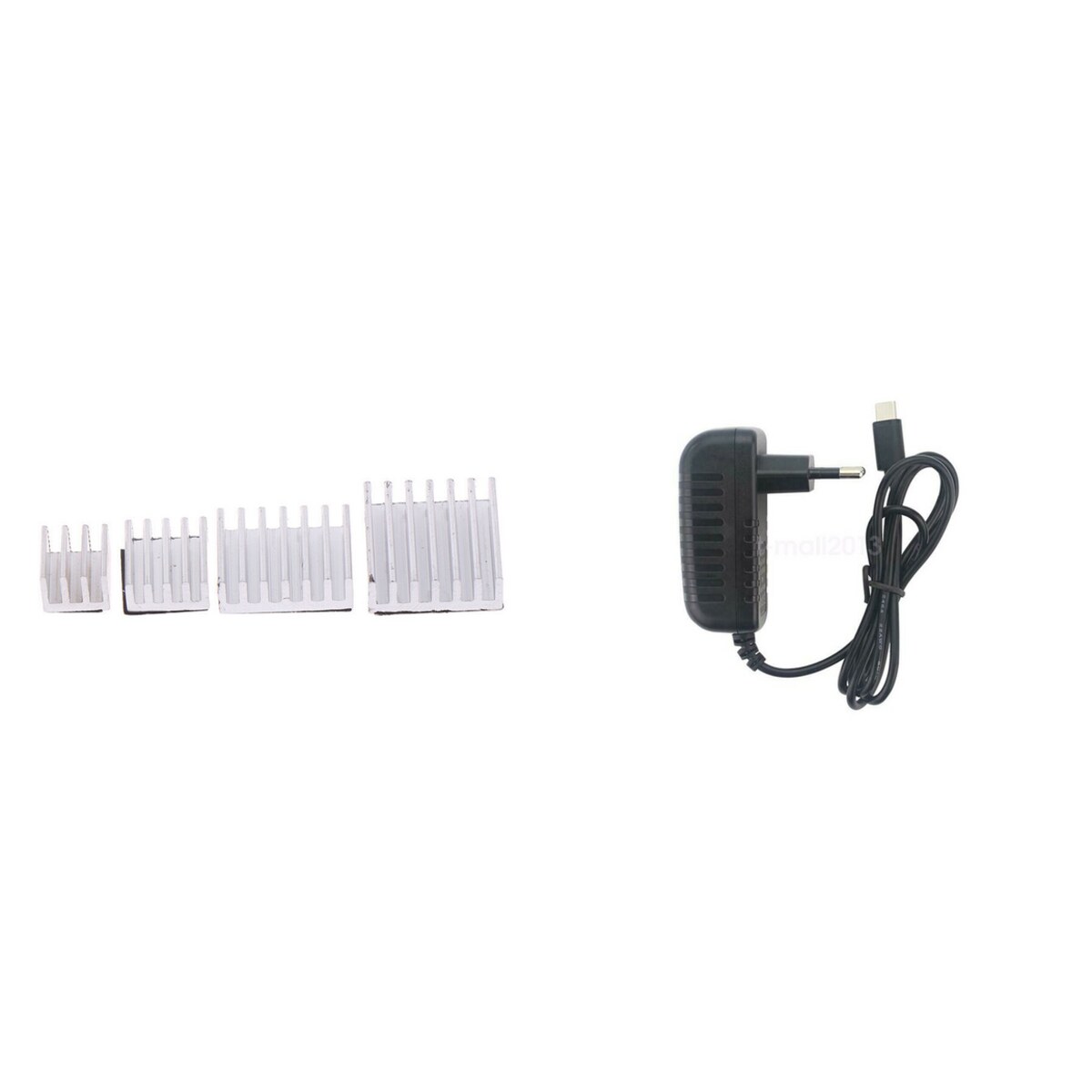
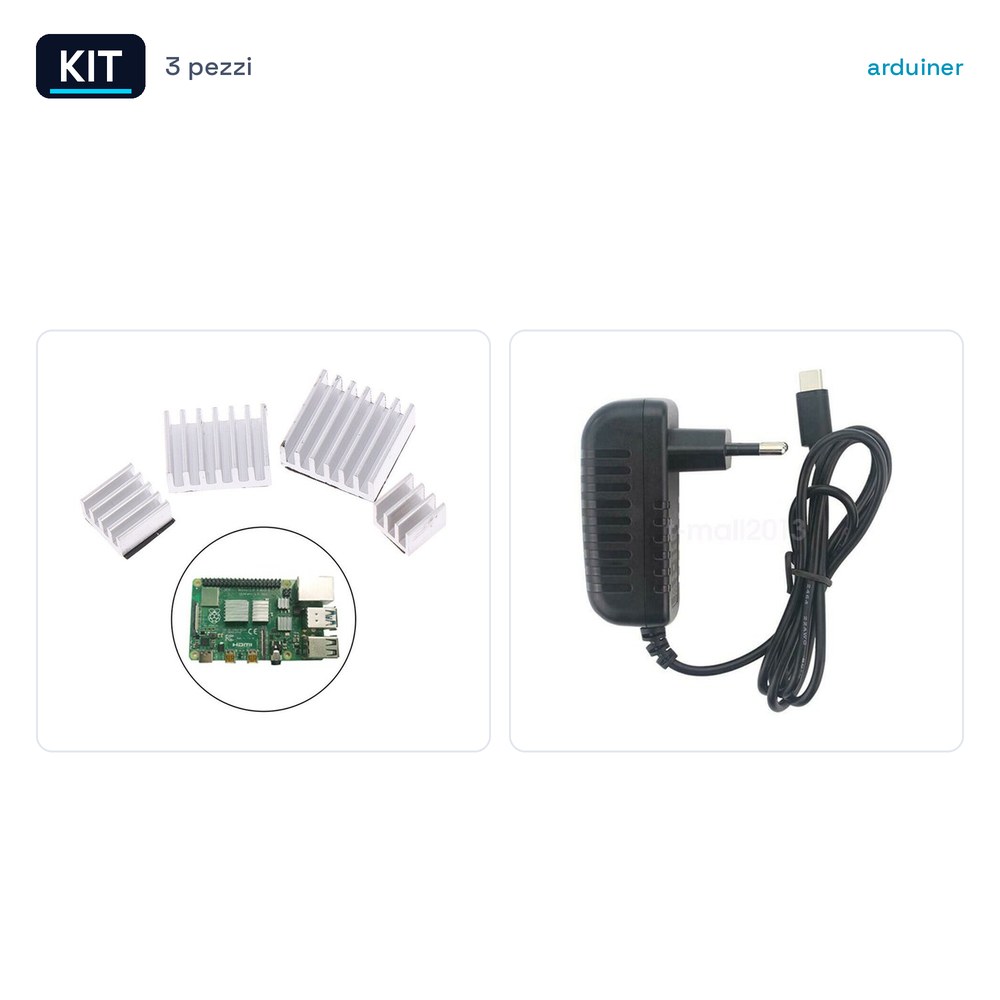
The Aluminum Heat Sink Kit for Raspberry Pi 4B, including the Raspberry Pi 4 1.5GHz Quad Core 64-bit 4GB RAM LPDDR4 and the 5V 3A USB Type-C power supply, is designed to improve heat management and energy efficiency of the system. The aluminum heat sink helps to reduce the internal temperature of the Raspberry Pi 4B during the execution of intensive applications, ensuring more stable operation and extending the life of the device. The USB Type-C power supply provides a constant and sufficient current for the energy requirements of the Raspberry Pi 4B, ensuring optimal performance.
The kit consists of three main components: the heat sink, the Raspberry Pi 4B, and the USB Type-C power supply. The heat sink is designed to be applied directly to the Raspberry Pi 4B processor, facilitating the dissipation of heat into the surrounding environment. The USB Type-C power supply provides the necessary power to the Raspberry Pi 4B through the USB Type-C interface, ensuring a stable and secure connection.
This kit is suitable for projects that require a Raspberry Pi 4B with an adequate heat dissipation system and a reliable power supply. The combination of these three components allows for the creation of a complete and ready-to-use system, suitable for both prototyping applications and production projects.
Key Specifications
| Parameter | Value |
| Model | Kit Aluminum Heat Sinks for Raspberry Pi 4B |
| Quantity | 1 |
| Components | Heat sink, Raspberry Pi 4 1.5GHz Quad Core 64 bit 4GB RAM LPDDR4, 5V 3A USB Type-C power supply |
| Heat sink dimensions | N/D (see manufacturer’s technical specifications) |
| Raspberry Pi 4B dimensions | N/D (see manufacturer’s technical specifications) |
| USB Type-C power supply dimensions | N/D (see manufacturer’s technical specifications) |
| Power supply interface | USB Type-C |
| Container | N/D (see manufacturer’s technical specifications) |
Installation and Usage
- Ensure the heat sink is adequately clean and ready for installation.
- Attach the heat sink to the Raspberry Pi 4B processor using the provided adhesive.
- Connect the USB Type-C power supply to the Raspberry Pi 4B via the USB Type-C interface.
- Verify that the USB Type-C power supply is properly connected and that the Raspberry Pi 4B powers on.
- Perform a system functionality test to verify that all components are operational.
Compatibility and Requirements
- The kit is compatible with the Raspberry Pi 4B and can be used with operating systems such as Raspbian and other Linux-based systems.
- A USB Type-C 5V 3A power supply is required to ensure proper functioning of the Raspberry Pi 4B.
- For the installation of the heat sink, the Raspberry Pi 4B must be free of any existing heat sink.
Limitations and Important Notes
- The kit does not include system software or specific applications.
- The heat sink is designed for the Raspberry Pi 4B and may not be compatible with other Raspberry Pi models.
- It is important to verify that the USB Type-C power supply can provide a constant current of 3A.
- The thermal pad provided with the heat sink must be applied correctly to ensure adequate heat dissipation.
Troubleshooting
The Raspberry Pi 4B does not power on.
Probable cause: Unstable USB Type-C power supply connection.
Solution: Check that the USB Type-C power supply is properly connected and that the socket is stable.
The temperature of the Raspberry Pi 4B is high.
Probable cause: Heat sink not applied correctly.
Solution: Check that the heat sink is properly applied and that the adhesive is sticky.
The heat sink does not adhere to the processor.
Probable cause: Processor surface is dirty or scratched.
Solution: Clean the processor surface and reapply the heat sink.
The Raspberry Pi 4B shuts down during use.
Probable cause: USB Type-C power supply does not provide a constant current.
Solution: Check that the USB Type-C power supply is capable of providing a constant current of 3A and that the connection is stable.
Use cases
Environmental Monitoring System
Objective: Monitor environmental conditions in real-time.
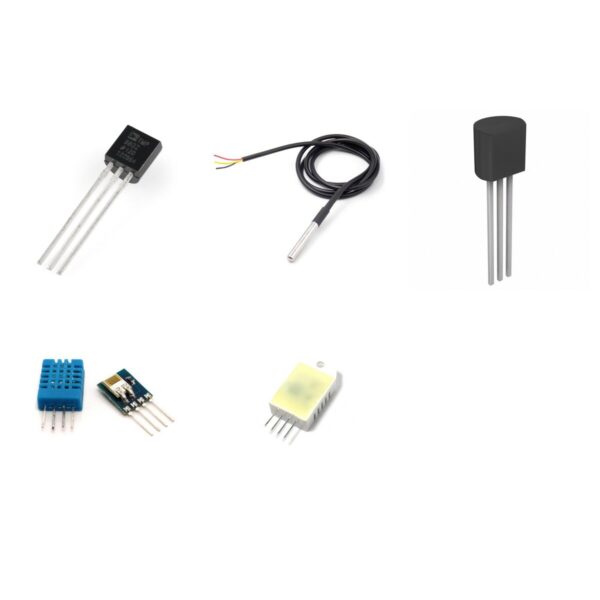
What’s needed: Aluminum Heat Sink Kit for Raspberry Pi 4B, temperature and humidity sensors.
Steps: 1) Install the heat sink and USB Type-C power supply. 2) Connect the temperature and humidity sensors. 3) Configure the Raspberry Pi 4B for real-time monitoring.
Expected result: The system monitors environmental conditions and sends real-time data.
Home Security System
Objective: Monitor home activity in real-time.
What’s needed: Aluminum Heat Sink Kit for Raspberry Pi 4B, IP camera.
Steps: 1) Install the heat sink and USB Type-C power supply. 2) Connect the IP camera. 3) Configure the Raspberry Pi 4B for real-time video monitoring.
Expected result: The system monitors household activity and sends real-time video.
Traffic Control System
Objective: Monitor traffic in real-time.
What’s needed: Aluminum Heat Sink Kit for Raspberry Pi 4B, motion sensors.
Steps: 1) Install the heat sink and USB Type-C power supply. 2) Connect the motion sensors. 3) Configure the Raspberry Pi 4B for real-time traffic monitoring.
Expected result: The system monitors traffic and sends real-time data.
Parking Control System
Objective: Monitor parking in real-time.
What’s needed: Aluminum Heat Sink Kit for Raspberry Pi 4B, parking sensors.
Steps: 1) Install the heat sink and USB Type-C power supply. 2) Connect the parking sensors. 3) Configure the Raspberry Pi 4B for real-time parking monitoring.
Expected result: The system monitors the parking and sends real-time data.
Energy Consumption Control System
Objective: Monitor energy consumption in real time.
What’s needed: Aluminum Heat Sink Kit for Raspberry Pi 4B, energy sensors.
Steps: 1) Install the heat sink and USB Type-C power supply. 2) Connect the energy sensors. 3) Configure the Raspberry Pi 4B for real-time energy consumption monitoring.
Expected result: The system monitors energy consumption and sends real-time data.
Climate Control System
Objective: Monitor climate conditions in real time.
Required: Aluminum Heat Sink Kit for Raspberry Pi 4B, climate sensors.
Steps: 1) Install the heat sink and USB Type-C power supply. 2) Connect the climate sensors. 3) Configure the Raspberry Pi 4B for real-time climate monitoring.
Expected Result: The system monitors weather conditions and sends real-time data.
Pedestrian Traffic Control System
Objective: Monitor pedestrian traffic in real time.
Required: Aluminum Heat Sink Kit for Raspberry Pi 4B, motion sensors.
Steps: 1) Install the heat sink and USB Type-C power supply. 2) Connect the motion sensors. 3) Configure the Raspberry Pi 4B for real-time pedestrian traffic monitoring.
Expected Result: The system monitors pedestrian traffic and sends real-time data.
Cyclist Traffic Control System
Objective: Monitor real-time bicycle traffic.
Required: Aluminum Heat Sink Kit for Raspberry Pi 4B, motion sensors.
Steps: 1) Install the heat sink and USB Type-C power adapter. 2) Connect the motion sensors. 3) Configure the Raspberry Pi 4B for real-time bicycle traffic monitoring.
Expected result: The system monitors bicycle traffic and sends real-time data.
In the package
- 1
Complete the project
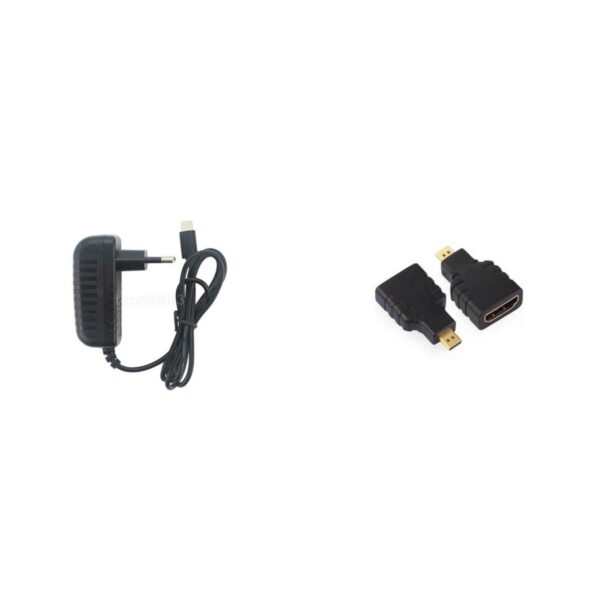
- Raspberry Pi Power Supply 5V 3A USB Type-C Power Adapter for Raspberry Pi 4: To further expand the functionality of the Raspberry Pi 4B.
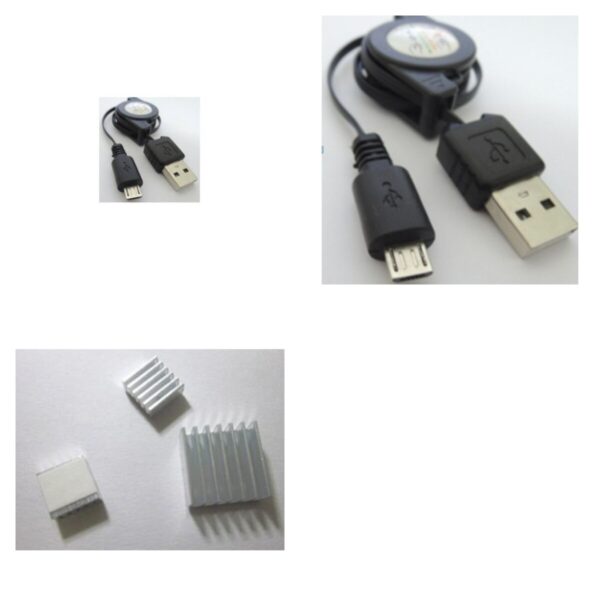
- Silver Aluminum Heatsink 3pcs/set for Raspberry PI 4B heat sinks: To improve heat management and energy efficiency of the system.
- Mini WiFi (802.11b / g / n) Module: for Raspberry Pi: To provide a stable and reliable WiFi connection.
- SD Card Adapter for MicroSD to SD for Raspberry Pi
Technical FAQs
Which components are included in the kit?
The kit includes an aluminum heat sink, a Raspberry Pi 4 1.5GHz Quad Core 64-bit 4GB RAM LPDDR4, and a USB Type-C 5V 3A power supply.
How can I install the heat sink?
Ensure the heat sink is clean and apply the provided adhesive to the Raspberry Pi 4B processor.
Which power supplies are compatible with the Raspberry Pi 4B?
The USB Type-C 5V 3A power supply is compatible with the Raspberry Pi 4B.
What are the limitations of this kit?
The kit does not include specific software and may not be compatible with other Raspberry Pi models.
Reviews
There are no reviews yet.