 EN
 IT Italiano
 ES Español
 FR Français
 DE Deutsch
Description
What it is
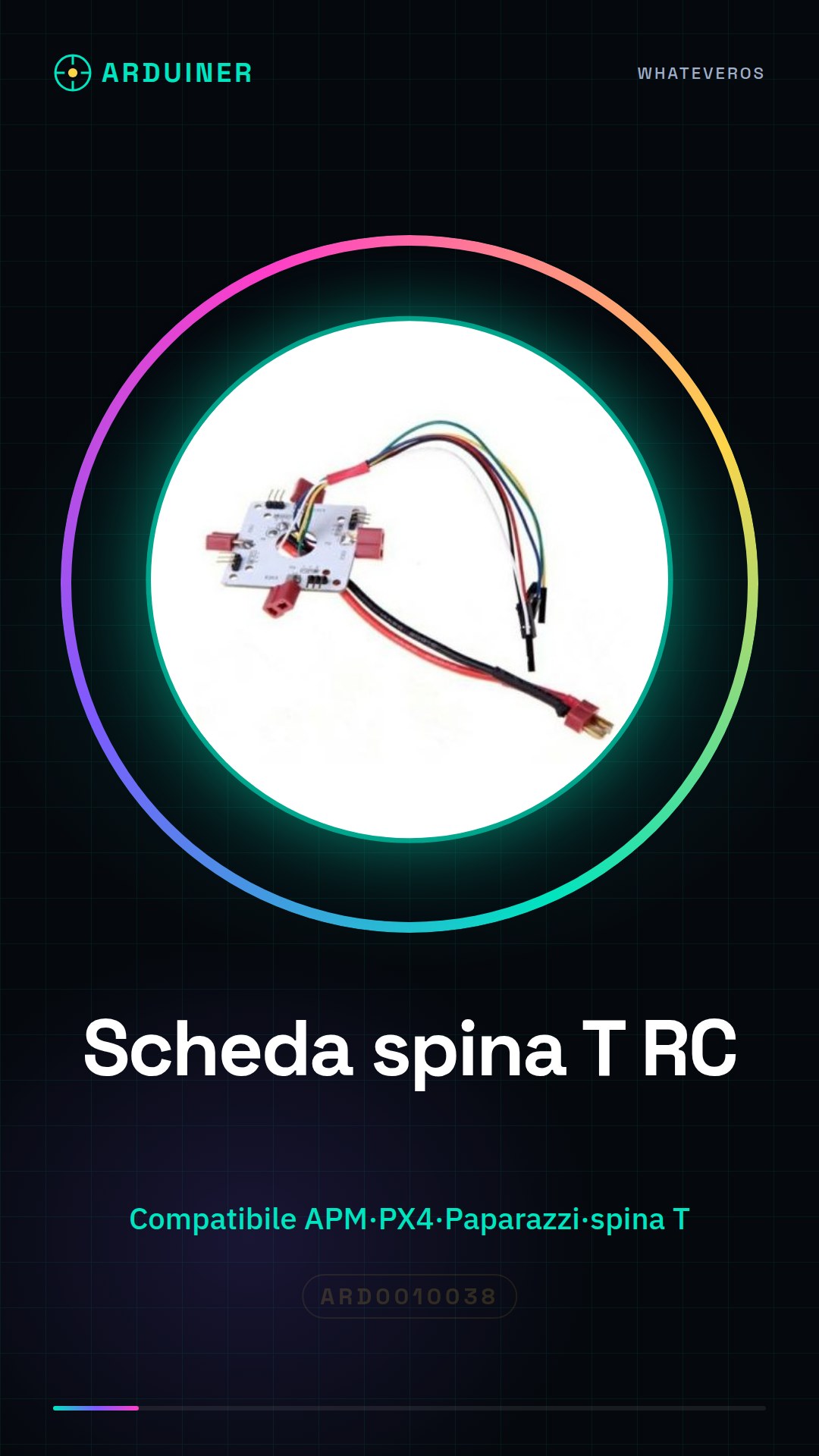
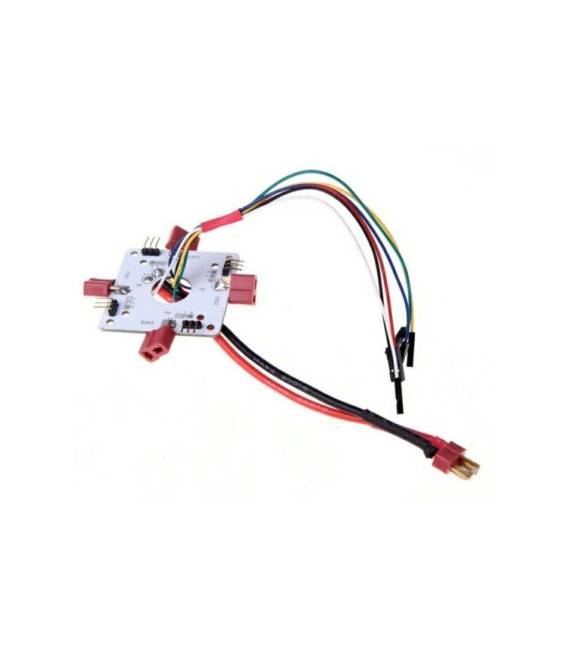
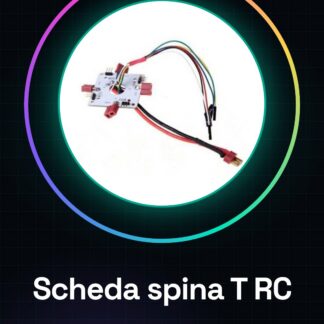
The ARD0010038 power distribution board is an essential component for RC quadcopters that use control systems such as APM, PX4, or Paparazzi. This device simplifies power management to various components of your drone.
Features
- Power distribution board for RC quadcopters
- Compatible with APM, PX4, and Paparazzi systems
- Designed for the standard T connector of the RC model
What it is for
This board is ideal for experienced pilots who want to optimize the power supply of their quadcopters. It can be used by both beginners and experts in the world of radio-controlled aircraft, facilitating the construction and operation of small quadcopters in just a few minutes.
Tutorial: How to use the T Connector Power Distribution Board for RC Quadcopter
This board is ideal for distributing power to the various components of your quadcopter, ensuring proper battery and sensor management. Suitable for both beginners and experts in the world of radio-controlled aircraft.
What you need
- Quadcopter
- LiPo Battery
- PX4/APM/Paparazzi Control Board
- Connection Cables
- Sensors
Steps
- 1. Connect the battery to the T jack on the board.
- 2. Connect the quadcopter to the board using the specific cables for each component.
- 3. Check that all sensors are properly powered and connected.
- 4. Configure the PX4/APM/Paparazzi control board to recognize the new power distribution layout.
Mini project
Build a small quadcopter with this power distribution board, completing the assembly in 30 minutes.
Common mistakes
- Do not verify connections properly before the first power-up.
- Use cables not adequate for the required power.
- Omitting to properly configure the control system.
- Ignoring the power supply specifications of various components.
Recommended accessories
- LiPo Battery 3S
- Quadcopter Frame
- Connection Cables for Quadcopter
- IMU Sensors
Frequently asked questions
Is this board compatible with other types of radio-controlled aircraft?
Check the product datasheet to confirm compatibility.
How can I optimize energy efficiency?
Use energy-efficient sensors and components.
Reviews
There are no reviews yet.