 EN
 IT Italiano
 ES Español
 FR Français
 DE Deutsch
Description
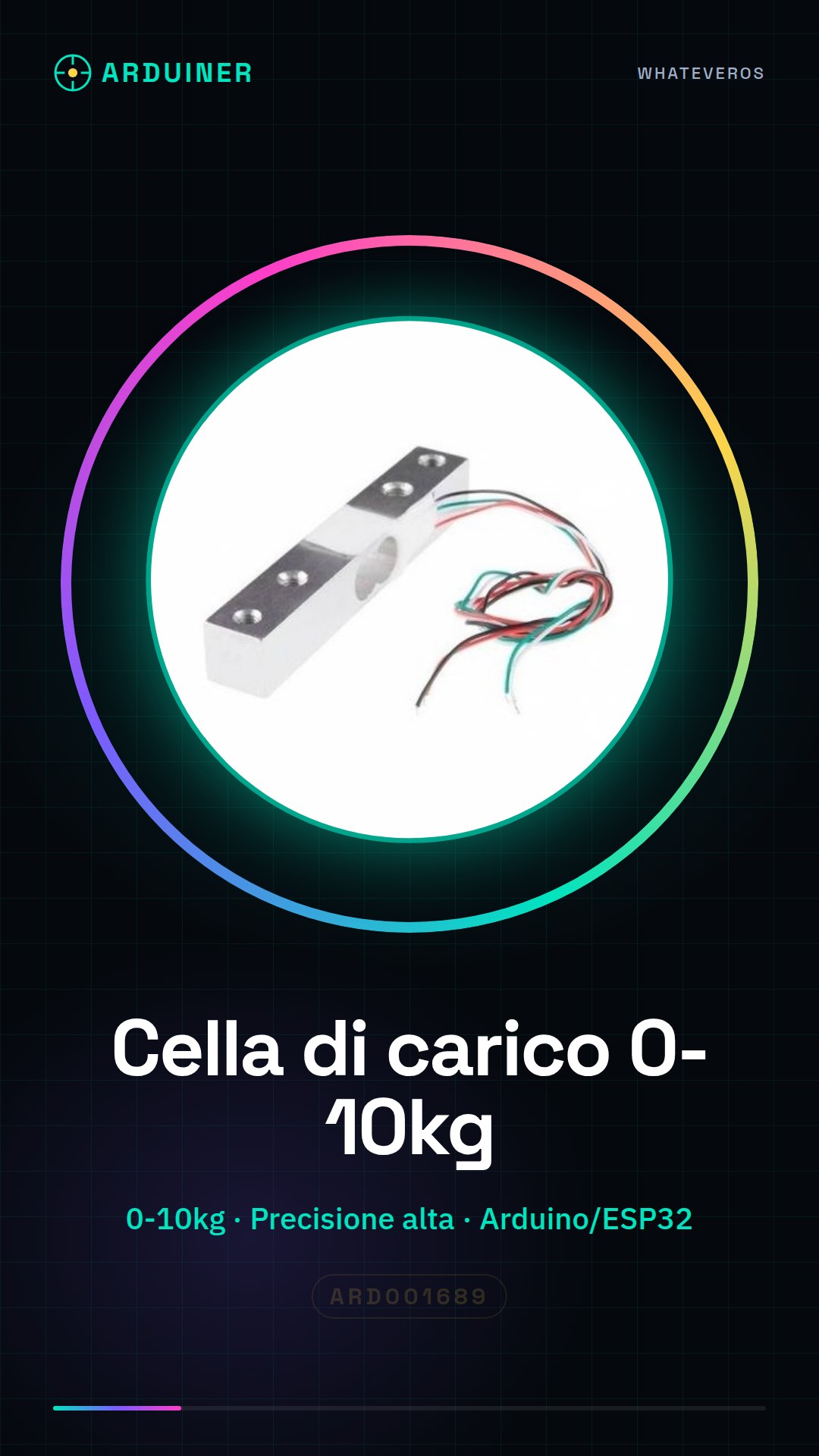
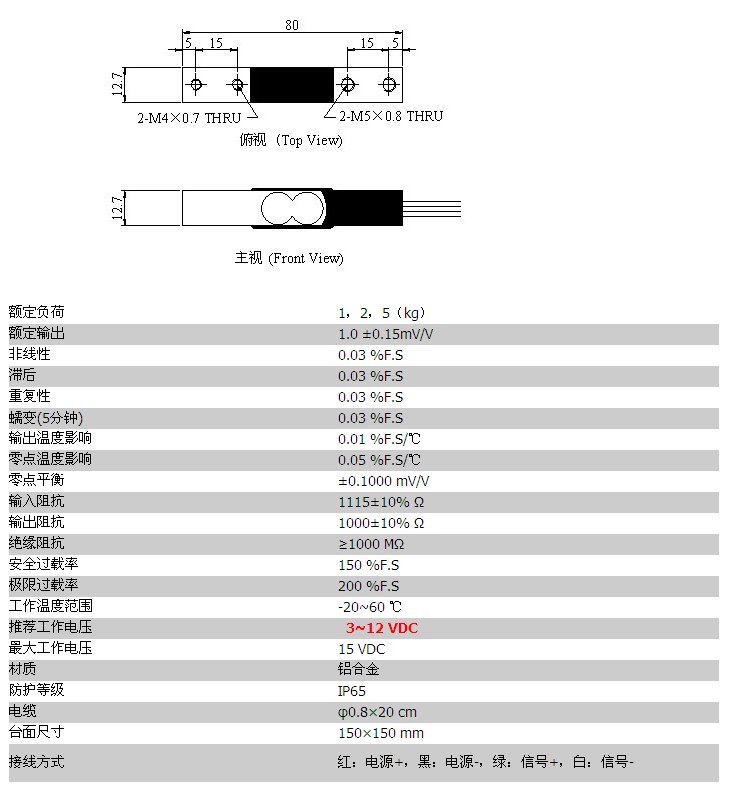
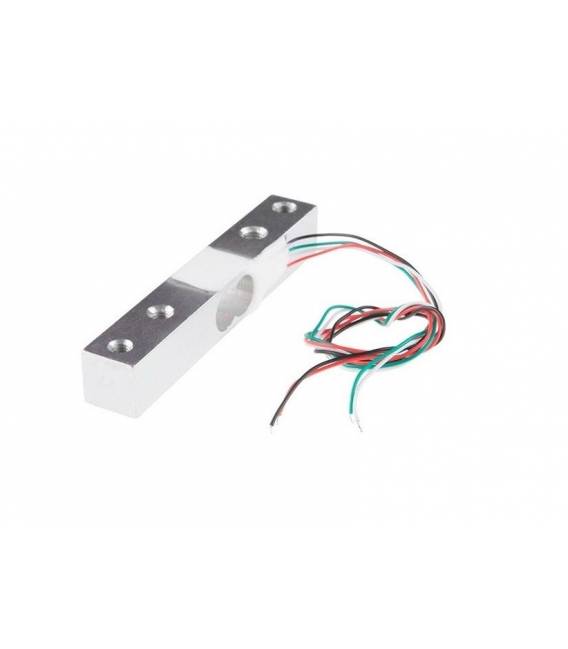
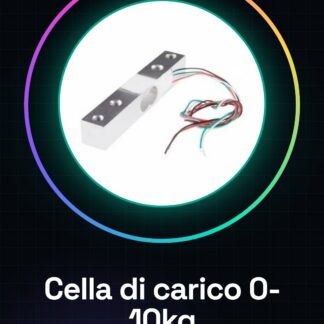
What is it? The 0-10kg load cell is an electronic sensor designed to measure the pressure or weight applied to it. This device is ideal for makers who wish to create balances, automatic weighing systems, or any project that requires precise weight readings. Features: Maximum measurable weight: 10kg High precision For what it’s used: Ideal for balance and automatic weighing system projects. Can be used in combination with Arduino or ESP32 for data reading. Tutorial: How to use 0-10kg Load Cell Connect the load cell to the analog pins (A0-A3) of the Arduino using jumpers. Check the electronic connections between the Arduino and the load cell to avoid short circuits. Install the Arduino IDE software on your computer. Upload the provided sketch to the Arduino. Open Serial Monitor in Arduino IDE to view the data read by the load cell. Verify the correct analog value readings on the IDE serial monitor. Adjust the code if necessary to suit your project needs. Experiment with different weights on the load cell and observe the data variations. Example code: const int sensorPin = A0; // analog pin connected to the load cell void setup() { Serial.begin(9600); } void loop() { int sensorValue = analogRead(sensorPin); // reads the sensor value Serial.println(sensorValue); // sends the value to the serial monitor } Mini-project: Create a simple balance that displays the weight in kg on an LCD display connected to the Arduino. Common errors: Incorrectly verifying connections before uploading the sketch Using incompatible electrical voltages with the load cell Placing weights beyond the maximum limit of the cell (10kg) Omitting the necessary drivers for Arduino IDE Recommended accessories: 16×2 LCD display LiPo battery with charger Temperature and humidity sensors DHT11 or DHT22 Relay 5V 10A Frequently asked questions: What is the precision of the load cell? Check the datasheet for accurate specifications. Can I connect multiple load cells together? Yes, but ensure proper management.
Reviews
There are no reviews yet.